Joint Care
Be Your Own Masseuse

InjuryMap, CC BY-SA 4.0 <https://creativecommons.org/licenses/by-sa/4.0>, via Wikimedia Commons
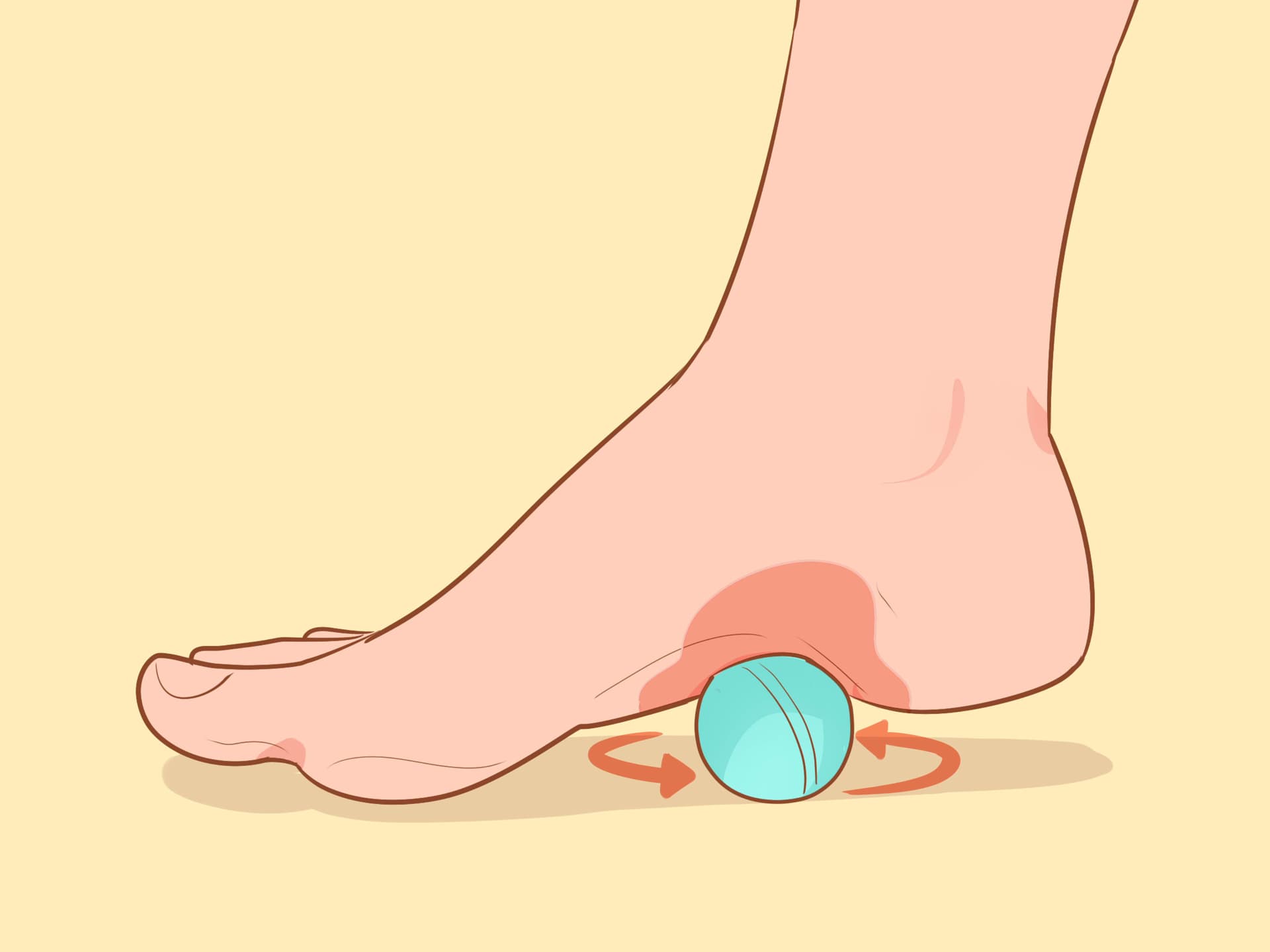
Tools For Tissue Release
Calve Muscles

InjuryMap, CC BY-SA 4.0 <https://creativecommons.org/licenses/by-sa/4.0>, via Wikimedia Commons
Dorsiflexors
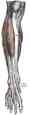
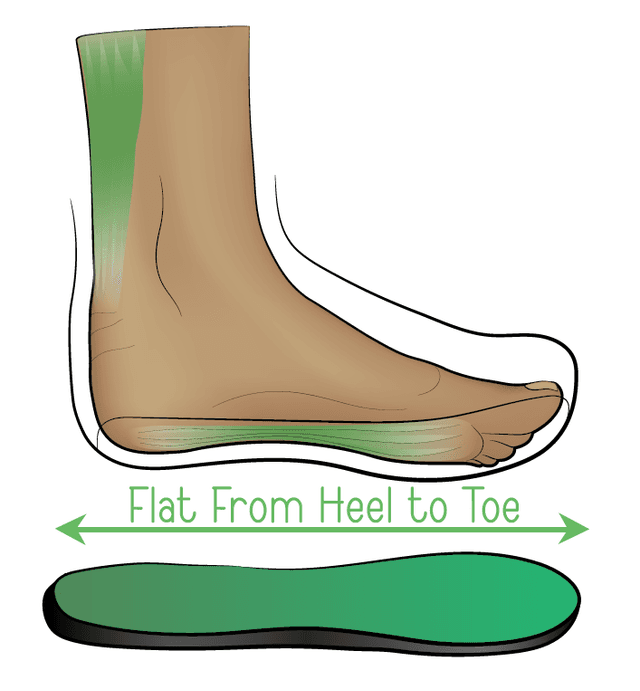
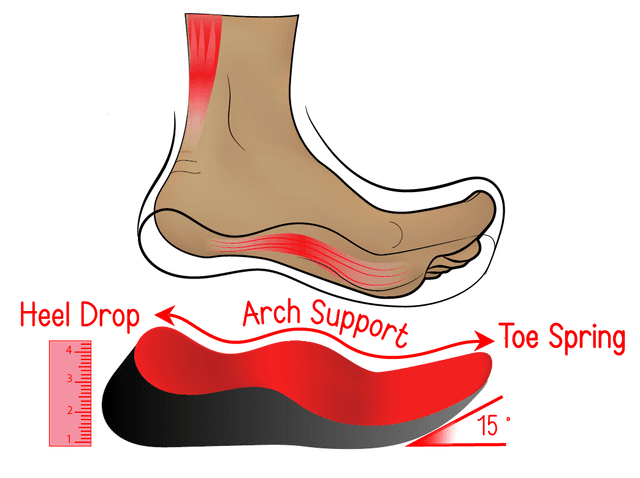
- Because of the toe springs found in most shoes, some of the muscle groups in the dorsiflexor group called the extensor digitorum longus and the extensor hallucis longus are slightly shortened as long as the shoe is being worn.
- While walking, the dorsiflexors are responsible for locking our ankle into a safe position before impact. Because of the drop found in most shoes, the dorsiflexors must pull the ankle through a much larger range of motion in order to reach this locking position. Since the time they are given to perform this motion between each stride is limited, the velocity at which the muscles flex is usually very fast. Since there is a greater range the muscle must go through at each step, this velocity ends up putting the foot into a greater degree of dorsiflexion than necessary, thus adding increased stress to the dorsiflexors every step taken in improper footwear.
- When walking with improper footwear, their inflexibility generally causes the hip to increase its range of motion to make up for what is lacking within the foot. This means that our strides are usually longer when wearing conventional shoes. Moreover, since most conventional shoes are very soft, we end up landing harder on our heels than we would if we were barefoot or in shoes with minimal padding. At the moment of impact, the dorsiflexor's job is to resist the acceleration of the ball of the foot and the toes into the ground. Since the strides we take in improper footwear are larger, they therefore create greater forces that the dorsiflexors have to resist with every step.
Quadriceps and the Patellar Tendon

colorized by Michael Gasperl, Public domain, via Wikimedia Commons
Tensor Fascia Lata & Fascia Lata

colorized by Michael Gasperl, Public domain, via Wikimedia Commons
Hamstrings

Paul Hermans, CC BY-SA 4.0 <https://creativecommons.org/licenses/by-sa/4.0>, via Wikimedia Commons
Adductors

colorized by Michael Gasperl, Public domain, via Wikimedia Commons
Glutes

Paul Hermans, CC BY-SA 4.0 <https://creativecommons.org/licenses/by-sa/4.0>, via Wikimedia Commons
Lower Spine

Henry Vandyke Carter, Public domain, via Wikimedia Commons
Upper Spine

Henry Vandyke Carter, Public domain, via Wikimedia Commons
Latissimus Dorsi

User:Mikael Häggström, Public domain, via Wikimedia Commons
Pectoralis Muscles

Arcadian:derivative work: Lies Van Rompaey, Public domain, via Wikimedia Commons